ByJohn A
How to Give a Well-Known SUV a More Distinctive Appearance
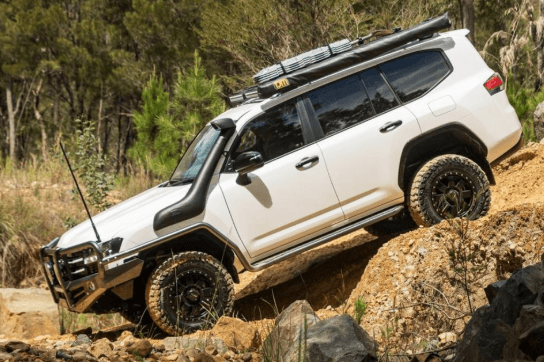
A vehicle’s exterior design influences its overall character, from the first impression it creates to the way its proportions look on the road. For SUV owners, a carefully planned styling update can make an older vehicle feel more contemporary without changing the qualities that made it appealing in the first place. The Toyota Land Cruiser Prado is a good example of a vehicle whose strong shape provides plenty of opportunities for thoughtful personalisation.
Exterior upgrades can range from small trim changes to a coordinated transformation involving several body components. The best results usually come from choosing compatible parts, maintaining balanced proportions, and considering everyday practicality alongside appearance. A well-planned project should look cohesive rather than giving the impression that unrelated accessories have been added over time.
Why Exterior Styling Matters
An SUV’s design is made up of several connected elements, including its front fascia, grille, bumpers, side profile, wheel arches, and rear styling. Each element contributes to the overall appearance, so changing one area can influence how the rest of the vehicle looks.
Some owners want a cleaner, more modern appearance. Others prefer a sportier front end or a more substantial visual presence. Neither approach requires changing every exterior component. In many cases, a few carefully selected upgrades can create a noticeable improvement.
Before purchasing anything, look at the vehicle from different angles and identify the areas that appear outdated, worn, or inconsistent. This simple assessment helps establish a clear direction for the project.
Understanding the Main Components of an Exterior Kit
A body kit generally refers to a collection of exterior components designed to create a coordinated appearance. The exact contents vary by manufacturer and package, so buyers should never assume that every listing includes the same parts.
Front Bumper and Grille Design
The front of an SUV often attracts the most attention. A revised bumper or grille can change the vehicle’s visual identity and make the front end appear more contemporary.
When comparing designs, consider the relationship between the grille, headlights, bumper openings, and lower trim. Components should complement the existing shape rather than appear oversized or poorly proportioned.
It is equally important to check compatibility with parking sensors, cameras, fog lamps, and other original equipment. A replacement component that looks correct in product photographs may still require specific mounting hardware or adjustments.
Side Skirts and Wheel-Arch Details
Side components help connect the front and rear styling. Depending on their shape, side skirts and wheel-arch trims can create a more streamlined appearance or emphasise the vehicle’s rugged proportions.
Their dimensions deserve particular attention. Parts that extend too far from the body may be vulnerable to scratches or damage, especially when driving through narrow spaces or on uneven roads.
Check the available ground clearance and confirm that the components will not interfere with doors, wheels, or suspension movement.
Rear Bumper and Finishing Details
The rear of the vehicle should support the styling direction established at the front. Matching finishes, coordinated trim, and appropriately shaped bumper components help create a consistent appearance.
Before ordering rear components, verify the position of the tailgate, number plate, rear lights, reflectors, and parking sensors. The replacement parts should accommodate these features correctly.
A balanced design is generally more successful than an exaggerated rear treatment that conflicts with the vehicle’s original proportions.
Choosing the Right Kit for Your Prado
Vehicle generations and model years can have important differences in body dimensions, mounting points, lighting assemblies, and bumper configurations. For this reason, selecting the correct application is more important than choosing a design based solely on photographs.
Owners researching a Toyota Prado body kit should confirm the exact model year, generation, trim, and regional specification before making a purchase. They should also establish whether the package is intended for a standard factory configuration or a vehicle that already has aftermarket components.
Verify the Included Parts
Ask the supplier for a complete inventory of the package. Determine whether the listing includes front and rear components, side trim, grilles, brackets, fasteners, and other installation hardware.
Some packages contain only selected exterior pieces. Others may require separately purchased accessories or additional preparation before installation.
A written parts list reduces confusion and makes it easier to compare the actual value of different offers.
Review Compatibility Before Ordering
Provide clear photographs of the vehicle’s front, rear, and side profile if the supplier offers fitment assistance. Include details about existing modifications that could affect installation.
Ask whether the components use factory mounting points and whether drilling, cutting, or other alterations are required. These details can influence both installation cost and the possibility of returning the vehicle to its original appearance later.
Materials, Durability, and Finish
The materials used in exterior components affect their weight, flexibility, surface quality, and resistance to everyday conditions. Depending on the component, manufacturers may use automotive plastics, reinforced polymers, metal, or composite materials.
No single material is ideal for every application. Buyers should consider how the part will be used, the conditions it will face, and the manufacturer’s information about durability and maintenance.
Surface finish is another important consideration. Unpainted components may need preparation and colour matching, while pre-finished parts should be checked for consistency with the vehicle’s existing paintwork.
Look for clear product photographs that show edges, mounting areas, and surface details. Ask about quality checks and warranty coverage when this information is available. A low purchase price may be less attractive if the component requires extensive correction before it can be fitted properly.
Planning the Budget
The price of an exterior kit is only one part of the total project cost. Shipping, import charges where applicable, paint preparation, colour matching, installation labour, and additional hardware may increase the final expense.
Request a complete quotation before committing to a purchase. If painting is required, confirm whether the quoted price includes preparation and finishing or only the supply of the components.
It is also sensible to reserve part of the budget for unexpected fitting work. Existing damage, worn mounting points, or differences between vehicle specifications can create additional requirements.
If the budget is limited, prioritise the components that will have the greatest visual impact while remaining compatible with the vehicle. A phased approach can deliver a coherent result without requiring every change at once.
Professional Installation and Quality Checks
Installation quality can determine whether a styling upgrade looks factory-finished or visibly aftermarket. Even a well-manufactured component can produce a poor result when it is installed incorrectly.
A qualified installer should inspect the vehicle, check mounting points, and test-fit the components before completing the final assembly. This stage helps identify alignment issues before painting or permanent fastening.
Components should not be forced into position when their mounting points do not line up. Excessive pressure can damage clips, brackets, panels, or nearby parts.
After installation, inspect panel gaps, attachment points, and the alignment of the front and rear sections. Confirm that doors and the tailgate open normally, sensors function correctly, and lights remain unobstructed.
If the work involves electrical connections or safety-related equipment, arrange the appropriate checks before driving.
Keeping the Modified Vehicle Practical
Appearance should not come at the expense of everyday usability. Consider the routes you regularly travel, the parking spaces you use, and the conditions in which the vehicle operates.
Components that reduce ground clearance may be inconvenient on uneven roads. Wider exterior pieces can make narrow parking spaces more difficult to navigate. Poorly positioned accessories may also affect airflow, visibility, or the operation of existing equipment.
Check the regulations that apply in your location before making changes that affect vehicle dimensions, lighting, reflectors, or other regulated features. A modification should remain suitable for lawful road use.
Caring for the Finished Exterior
Regular maintenance helps preserve the appearance of newly installed components. Use cleaning products suitable for their materials and finishes, and avoid abrasive tools that may damage paint or protective coatings.
Inspect fasteners, brackets, clips, and seals periodically. Vibration, weather exposure, and road debris can gradually affect exterior fittings.
Address loose panels, chipped paint, or damaged mounting points promptly. Small issues are usually easier to manage before they develop into more extensive repairs.
Keeping receipts, installation records, and warranty information together can also be helpful if replacement components are needed later.
Frequently Asked Questions
1. Will every body kit fit all Toyota Prado models?
No. Compatibility can vary by model year, generation, trim, and regional specification. Always verify the intended application and mounting requirements before ordering.
2. Should I paint the components before or after test-fitting them?
The appropriate process depends on the component and the installer’s method. A professional will commonly check fitment before final painting so that alignment or mounting issues can be identified before the finish is completed.
3. Can exterior modifications affect everyday driving?
Yes. Changes to ground clearance, vehicle width, lights, sensors, or visibility can affect practicality and safety. Choose components that suit your driving conditions and have them installed and checked correctly.
See also: Toronto’s Hidden Gems
Conclusion
A thoughtful exterior refresh can give an SUV a more distinctive appearance while retaining its practical character. The key is to choose components that suit the exact vehicle specification, work together visually, and meet appropriate standards for quality and installation.
By checking fitment, understanding the complete project cost, and arranging professional installation where necessary, owners can reduce avoidable problems and achieve a more consistent finish. Careful maintenance after the work is complete will help preserve both the appearance and usability of the vehicle over time.